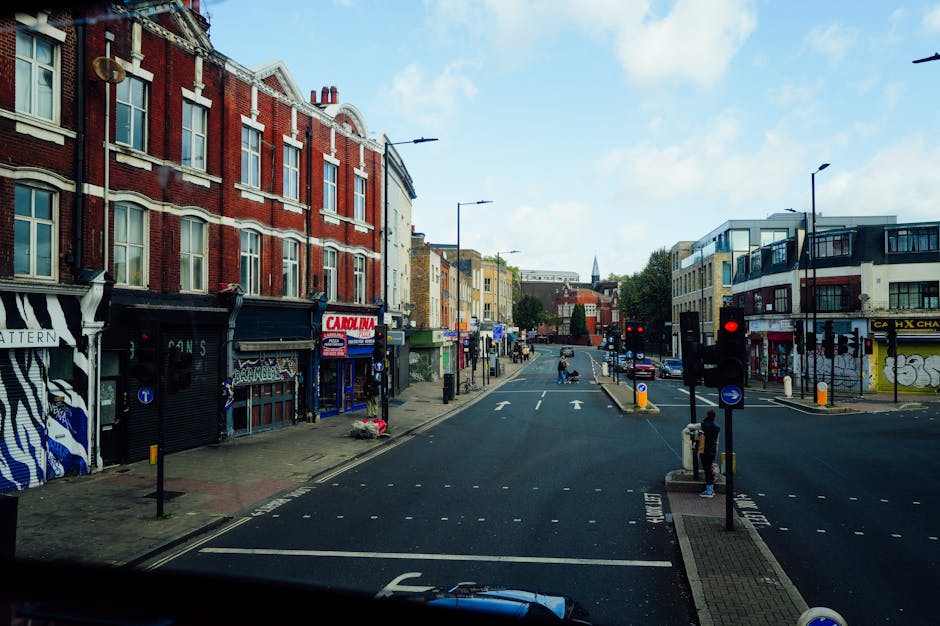
Commercial cleaning for shops on South Lambeth Road Stockwell
If you run a shop on South Lambeth Road in Stockwell, you already know the truth: the first few seconds matter. A clean entrance, polished floor, tidy counters, and fresh-smelling fitting rooms can shape how people feel before they even ask a question. Commercial cleaning for shops on South Lambeth Road Stockwell is not just about looking decent for passing trade. It is about making the whole customer experience smoother, safer, and more trustworthy from the moment someone steps through the door.
That is especially true in a busy London setting where footfall, weather, dust, packaging waste, and constant handling all build up quickly. In a retail environment, mess is not static. It arrives in waves. One rainy afternoon, and suddenly the entrance mat is soaked, the glass doors show fingerprints, and the floor starts to track dirt further inside. A good cleaning plan deals with that properly, not reactively. This guide explains how shop cleaning works, what to expect, which choices make sense, and how to avoid the small mistakes that quietly make a shop feel tired.
We will also cover the practical side: the kinds of cleaning tasks shops usually need, how to compare options, what compliance matters in a UK commercial setting, and when specialist treatments such as commercial carpet cleaning or upholstery cleaning may be worth adding to the plan. Let's get into it.
- Why it matters
- How the cleaning process works
- Key benefits and practical advantages
- Who needs it and when it makes sense
- Step-by-step guidance
- Expert tips for better results
- Common mistakes to avoid
- Tools, resources and recommendations
- Law, compliance, standards, and best practice
- Options and comparison table
- Real-world example
- Practical checklist
- Conclusion
- Frequently asked questions
Why Commercial cleaning for shops on South Lambeth Road Stockwell Matters
Retail cleaning sounds simple until you spend a week watching how quickly a shop degrades when routine cleaning slips. South Lambeth Road is the kind of stretch where people notice details. Shoppers, local residents, commuters, delivery drivers, browsers who are only half-looking-everyone sees the same entry point, and they all form an opinion fast. A smeared window, dusty shelves, or a sticky floor can make the whole place feel less cared for, even if the stock itself is excellent.
That matters because a shop is both a workspace and a presentation space. Staff need a safe, organised environment. Customers need a space that feels clean enough to trust. And if you sell anything handled closely-clothes, beauty products, gifts, food-adjacent goods, electronics, accessories-cleanliness becomes part of the product experience. Honestly, people do judge. Quietly, maybe. But they do.
There is also the practical side. Dirt is not just cosmetic. Grit in entrance areas can wear down flooring. Spills can create slip risks. Dust can cling to skirting, shelves, and display fixtures. Washroom neglect can become a reputation issue almost overnight. A structured commercial cleaning plan helps prevent these slow-burn problems before they start stacking up.
Expert summary: For shops, cleaning is not just about presentation. It protects safety, supports staff morale, reduces avoidable wear, and helps the customer experience feel calm, organised, and worth repeating.
And to be fair, on a road like South Lambeth Road, where traffic, weather, and regular customer turnover all do their thing, the cleaning standard has to be realistic as well as thorough. The best approach is usually a routine that covers the obvious bits every day and the deeper bits on a sensible schedule. Nothing fancy. Just properly done.
How Commercial cleaning for shops on South Lambeth Road Stockwell Works
In practice, shop cleaning works best when it is built around the actual rhythm of the store. A small boutique open from late morning to early evening does not need the same setup as a convenience shop with all-day footfall. A salon-retail hybrid has different needs again. That is why a proper cleaning plan starts with an assessment of usage, surfaces, customer flow, and the parts of the premises that get dirty fastest.
Most commercial shop cleaning contracts or one-off visits begin with a walk-through. That allows the cleaner to identify high-touch points, fragile materials, specific stains, floor types, and any areas that need discreet handling. From there, the work is usually split into regular tasks and periodic deep cleaning tasks.
Typical regular tasks
- Dusting visible surfaces and display areas
- Wiping counters, handles, and checkout points
- Vacuuming or mopping customer floors
- Cleaning glass doors and front-facing windows
- Spot-cleaning marks, spills, and fingerprints
- Emptying bins and refreshing waste areas
- Cleaning toilets and staff wash areas where applicable
Typical deep cleaning tasks
- Machine cleaning carpets and mats
- Detail-cleaning skirting boards and ledges
- Descaling sinks, taps, and tiled areas
- Cleaning behind counters and around fixtures
- Treating upholstery or seating
- Refreshing high-traffic or stained floor zones
Some shops also need specialist support. For example, retail carpets near entrances often need more than a vacuum. In that case, a method such as steam extraction can help lift ingrained dirt. Likewise, if the shop has seating, waiting areas, or fabric-covered display furniture, sofa cleaning or curtain cleaning may be relevant. It sounds minor until you notice how much dust a fabric surface can hold in plain sight.
The best cleaners also work around opening hours. Early mornings, late evenings, or quiet midday windows can all make sense depending on the business. That flexibility is useful, because nobody wants a mop bucket parked in the middle of peak trading. Not ideal. Not at all.
Key Benefits and Practical Advantages
There are obvious benefits to a clean shop, and then there are the ones people only notice once they disappear. Here is the fuller picture.
| Benefit | What it looks like in real life | Why it matters |
|---|---|---|
| Better presentation | Cleaner windows, brighter floors, tidier shelves | Helps the shop feel inviting and credible |
| Safer conditions | Less slipping, fewer loose spills, clearer walkways | Reduces everyday hazards for staff and customers |
| Longer-lasting surfaces | Floors, fixtures, and fabrics stay in better shape | Helps avoid premature wear and replacement costs |
| Staff morale | A place that feels organised rather than chaotic | People generally work better in a cleaner environment |
| Customer confidence | People linger longer and return more readily | Cleanliness supports trust, which supports sales |
One benefit that is often overlooked is consistency. A shop can look great on the day of a window display launch, but if the floors are grubby by Thursday, the image breaks down. Commercial cleaning gives you repeatable standards, which is what customers actually remember. They may not mention the spotless skirting board. But they will notice when it is not spotless.
There is also a quieter commercial benefit: cleaner surroundings tend to make operations feel calmer. Staff spend less time fussing over mess and more time serving customers. The workday flows better. That sounds small, but in a busy retail setting small things add up quickly.
Who This Is For and When It Makes Sense
Commercial cleaning for shops on South Lambeth Road Stockwell makes sense for a wide range of businesses, not only larger stores. In fact, smaller shops often benefit just as much because they do not have the spare time or headcount to stay on top of everything in-house.
It is especially useful for:
- Independent retailers with customer-facing premises
- Clothing and fashion shops with fitting rooms and mirrors
- Convenience stores and small grocery shops
- Beauty, hair, nail, and personal care retailers
- Gift shops and lifestyle stores
- Shops with staff toilets, stock rooms, or small kitchens
- Businesses with carpets, fabric seating, or mixed floor types
It also makes sense at certain times of year. Winter brings more mud and moisture. Rainy weeks can be relentless, especially near busy roads and footpaths. Before seasonal trading periods, many shops book extra cleaning to make sure the front of house looks sharp. And after refurbishments, stock changes, or long promotions, a reset can be a relief.
If your shop has a lot of customer traffic, or if your team is already stretched thin, outsourcing cleaning can be one of those decisions that pays back in calmness alone. Not glamorous. Still valuable.
On the other hand, if your premises are tiny and low-traffic, a lighter schedule may be enough. The point is not to oversell the need. It is to match the service to the real-world demands of the shop.
Step-by-Step Guidance
Here is a practical way to approach shop cleaning without making it overly complicated.
- Map the highest-traffic zones. Start with entrance mats, floor paths to the till, product displays, mirrors, and any customer touchpoints. These areas usually show wear first.
- Separate daily tasks from weekly tasks. Daily work should cover visible cleanliness and hygiene basics. Weekly or periodic work can cover deeper dusting, floor care, and detail cleaning.
- Choose the right method for each surface. Glass, laminate, carpet, vinyl, fabric, and metal each need different treatment. One-size-fits-all cleaning is a common mistake, and a pretty avoidable one.
- Plan around trading hours. Early morning or after-hours cleaning often works best for busy shops. It keeps disruption low and avoids awkward interruptions.
- Build in stain response. Spills happen. A cleaning plan should say who deals with them, how quickly, and with what materials.
- Review the result, not just the checklist. A shop can tick every task and still look dull if the focus is wrong. Step back and view the space the way a customer would.
If you are deciding between in-house and outsourced cleaning, ask yourself a very plain question: who is actually going to maintain the standard when trade gets busy? That is the real test. Good intentions are nice. Reliable execution is better.
A useful habit is to keep a short written cleaning log for the shop. Nothing elaborate. Just dates, priorities, and any recurring issues. This helps everyone stay aligned and makes it easier to notice patterns, such as a doorway that always gets dirty first or a fitting room mirror that keeps collecting fingerprints.
Expert Tips for Better Results
In our experience, the best shop cleaning outcomes come from small, consistent habits rather than grand deep-cleaning drama once every few months. A few expert-level tweaks can make a real difference.
Focus on the customer eye-line
People notice what is at eye level first: glass, shelves, signage edges, mirrors, counter fronts, and display surfaces. If those are clean, the whole shop feels more polished even before anyone looks down at the floor.
Do the entrance properly
The entrance is the shop's handshake. Entrance mats, door glass, and the first couple of metres inside need more attention than most people give them. That little patch carries an outsized amount of dirt, especially on wet days. The sound of grit underfoot is not exactly the welcome you want.
Use spot cleaning before problems spread
A small stain on a shelf lip or a spill near a till can quickly become part of the background if nobody deals with it promptly. Spot cleaning interrupts that habit. It is a tiny thing, but it saves a lot of polish later.
Match cleaning frequency to trading reality
Some shops need a daily visit. Others do well with two or three visits a week plus periodic deep cleans. There is no magic number. It depends on footfall, stock type, floor finish, and whether staff handle products directly.
Keep a second eye on "hidden" spaces
Stock rooms, corners behind counters, skirting, and under furniture are easy to ignore because customers do not see them directly. Staff do though, and clutter or grime in those zones tends to spread into the front of house sooner than expected.
A slightly old-fashioned but effective tip: do a five-minute closing check as though you are opening the next morning. The difference is surprising. You catch what routine work has normalised.
Common Mistakes to Avoid
Most shop cleaning problems are not dramatic failures. They are small habits that gradually lower standards. Here are the ones worth watching.
- Cleaning only what customers can see. Hidden dirt always catches up eventually.
- Using the wrong product on the wrong surface. This can dull finishes or leave residue behind.
- Ignoring entrance zones. Dirt travels inward. Very efficiently, too.
- Skipping high-touch points. Tills, door handles, and card machines need regular attention.
- Relying on one-off deep cleans. Deep cleaning helps, but it cannot replace regular upkeep.
- Not checking drying times. Damp floors near trading hours are a nuisance and a hazard.
- Leaving cleaning vague. If nobody owns the task, it often does not happen properly.
One mistake that comes up a lot is assuming a shop only needs "a quick tidy." Tidy is not the same as clean. A space can look neat but still hold dust, greasy marks, residue, or odours that affect how people feel inside it. Subtle, yes. Still real.
Another common issue is ignoring seasonal pressure. Winter weather, pollen, stock deliveries, promotional clutter, and turnover spikes all change the cleaning load. If your plan does not adapt, the shop will start telling on you. Quietly, but clearly.
Tools, Resources and Recommendations
You do not need a warehouse full of gear to keep a shop presentable, but the right kit makes the work cleaner, quicker, and more consistent. For retail environments, the usual essentials are practical rather than fancy.
- Microfibre cloths for dust and polish work
- Colour-coded cloths and mops to reduce cross-use between areas
- Vacuum cleaners suitable for floor type and edges
- Floor-safe cleaning solutions for vinyl, laminate, tile, or stone
- Glass cleaner for doors, mirrors, and frontage
- Spill kits for fast response to accidents
- Bin liners, gloves, and basic hygiene supplies
For more intensive needs, professional services may use steam extraction, targeted stain treatment, and specialist fabric cleaning. If the shop has carpets or upholstered waiting areas, services such as steam carpet cleaning and stain removal can help restore the look without replacing fixtures too soon.
It can also be worth looking at the cleaner's wider business approach. For example, if you care about recycling, waste handling, or eco-conscious working practices, you may want to review pages such as recycling and sustainability. That is not just branding fluff; for some shop owners, it matters how services are delivered day to day.
And if you are comparing providers, pricing should be transparent. You can usually get a clearer sense of options through pricing and quotes. A clear quote is better than a vague promise. Every time.
Law, Compliance, Standards, or Best Practice
Shop cleaning is not usually complicated from a legal point of view, but there are still sensible duties and standards to respect. In UK commercial premises, employers and business owners generally need to keep work areas reasonably safe and well maintained. That means avoiding obvious slip risks, managing waste appropriately, and using cleaning chemicals responsibly.
Health and safety best practice usually includes:
- Keeping walkways free from avoidable hazards
- Using suitable cleaning materials for the surface and task
- Storing chemicals safely and clearly
- Training staff on spill response where they may be involved
- Making sure wet floors are marked or managed properly
- Recording procedures where a formal process is useful
It is also sensible to choose a provider that can explain how they manage insurance, safety, and professional conduct. If you want that side of things in writing, insurance and safety and health and safety policy are worth reviewing. Those pages do not magically clean a shop, of course, but they do help you assess whether a provider takes risk seriously.
Data handling, payment security, and complaints handling are also part of trust, especially if you are setting up a recurring service. A reliable business should be able to explain how it handles billing and customer concerns in plain language. If needed, you can check payment and security and complaints procedure as part of your due diligence.
Best practice is not about being overly formal. It is about being steady, safe, and clear. That is what keeps a shop running cleanly without friction.
Options, Methods, or Comparison Table
Different shops need different types of cleaning support. Here is a simple way to compare the main approaches.
| Option | Best for | Strengths | Limitations |
|---|---|---|---|
| Daily routine cleaning | Busy shops with regular footfall | Keeps standards consistent and visible | May not tackle deeper dirt or stains |
| Weekly or periodic cleaning | Smaller shops or lower-traffic premises | More affordable and flexible | Can allow dirt to build between visits |
| Deep cleaning | Seasonal resets and neglected areas | Addresses build-up and stubborn marks | Not enough on its own for day-to-day upkeep |
| Specialist surface care | Carpets, upholstery, stains, fabric fixtures | Targets material-specific problems well | Requires the right expertise and timing |
The right answer is often a blend. For example, a shop might need daily front-of-house cleaning, weekly detail cleaning, and occasional specialist carpet care. That is more realistic than pretending one visit a week will somehow solve everything. It won't. Sorry, but no.
If you are deciding between methods, ask one simple question: which part of the shop makes the biggest impression when it is dirty? Start there. Then build outward.
Case Study or Real-World Example
Consider a small independent shop near the South Lambeth Road corridor with a glass frontage, a narrow sales floor, and a carpeted rear area used for customer consultations. It had decent stock presentation, but the first impression was sliding. Customers kept noticing dusty window edges, marks on the floor near the entrance, and fabric chairs that looked dull even after a tidy-up.
The owner did not need a full overhaul. What they needed was a more structured cleaning routine. The front glass was cleaned more frequently, the entrance area was given closer attention, and the carpeted section was treated on a deeper schedule rather than being left to a vacuum alone. Upholstered seating was refreshed too. Nothing dramatic. Just a more thoughtful mix of tasks.
Within a short period, the shop looked calmer and more open. Staff stopped doing last-minute fixes before opening. The customer area felt less cluttered and a bit more premium, even though nothing about the stock had changed. That is the point many people miss. Cleanliness does not have to shout. Often, the best result is that nobody thinks about it at all. It just feels right.
This kind of improvement is common in retail. A small operational change creates a visible shift in how the place feels. And once you notice it, you cannot really unsee it.
Practical Checklist
Use this checklist to judge whether your shop cleaning plan is actually doing its job.
- Entrance area is cleaned frequently enough to stay presentable
- Windows and glass doors are free from fingerprints and streaks
- Floors are cleaned according to footfall and surface type
- High-touch points are wiped regularly
- Bins are emptied before they become noticeable
- Stock room and back-of-house areas are not being ignored
- Washrooms, if present, are maintained to a proper standard
- Spills and stains are handled quickly
- Cleaning times do not disrupt trading
- Cleaning products are suitable for the surfaces in the shop
- Any specialist carpet or upholstery care is scheduled when needed
- The overall shop feels clean from the customer's point of view, not just from the staff's point of view
If you tick most of those, you are in good shape. If not, there is probably a gap somewhere. Usually it is one of the boring ones: entrance dirt, glass, or high-touch points. Funny how often the obvious bits matter most.
Get a free quote today and see how much you can save.
Conclusion
Commercial cleaning for shops on South Lambeth Road Stockwell is really about consistency, confidence, and the everyday customer experience. A clean shop tells people that the business is organised and attentive. It helps protect surfaces, supports staff, and makes trading feel smoother from opening to close.
The best cleaning plan is the one that fits your shop's real routine, not some imaginary perfect version of it. Keep the entrance sharp, treat high-touch areas properly, build in a sensible schedule for deeper work, and do not leave specialist problems to chance. That approach may sound simple, but it is the simple things that hold up under pressure.
And if you get the basics right, the whole place tends to breathe a little easier. Customers notice. Staff notice. You notice. That matters more than people often admit.
Frequently Asked Questions
What does commercial cleaning for shops usually include?
It usually includes dusting, floor cleaning, glass cleaning, bin emptying, wiping high-touch surfaces, and keeping customer-facing areas presentable. Depending on the shop, it may also include washrooms, fitting rooms, stock areas, and periodic deep cleaning.
How often should a shop on South Lambeth Road be cleaned?
That depends on footfall, opening hours, surface types, and what you sell. Busy shops may need daily cleaning, while quieter ones may do well with a few visits a week plus occasional deep cleaning. The right frequency is the one that keeps the shop looking consistent.
Is professional cleaning worth it for a small shop?
Yes, often it is. Small shops can struggle to stay on top of cleaning during trading hours, especially when staff are busy with customers. A professional service can keep standards steadier and reduce the pressure on the team.
What areas do customers notice first?
Usually the entrance, glass frontage, floor near the door, counters, and any mirrors or display surfaces. People form an impression very quickly, so the visible parts need special attention.
Can commercial cleaning help with odours in a shop?
It can help a lot, especially when odours come from bins, carpets, upholstery, damp mats, or neglected back-of-house areas. A proper cleaning routine removes the cause rather than just masking the smell.
Do shops need deep cleaning as well as regular cleaning?
Usually yes. Regular cleaning keeps the shop presentable day to day, but deep cleaning tackles build-up, stains, corners, and the areas that routine work may miss. Most shops benefit from both.
What if my shop has carpet or fabric seating?
Then you may need specialist care alongside routine cleaning. Carpets and upholstery hold onto dust and stains differently from hard floors, so services such as carpet cleaning or upholstery cleaning can be useful on a planned basis.
How do I know if a cleaning provider is trustworthy?
Look for clear communication, sensible scheduling, straightforward pricing, and a professional approach to safety and insurance. It also helps if their policies are easy to review and written in plain language rather than vague promises.
Will shop cleaning disrupt trading hours?
It should not, if it is planned properly. Many cleaners work early morning, late evening, or during quiet periods. The aim is to keep the shop clean without getting in the way of customers or staff.
Can I combine shop cleaning with carpet or upholstery treatment?
Yes, and in many cases that is the most practical approach. Combining services can make scheduling easier and help maintain a more consistent appearance across the whole shop.
What is the biggest mistake shop owners make with cleaning?
Probably relying too much on occasional tidy-ups and not enough on routine maintenance. A shop can look fine for a while, then quickly slip. Consistency is what protects the standard.
How do I choose the right cleaning plan for my shop?
Start with the areas that get dirty fastest, the times when the shop is busiest, and the parts customers notice first. Then choose a schedule that fits actual trading patterns. If in doubt, begin with a practical routine and adjust after a few weeks based on what you observe.
If you are weighing up shop cleaning in the local area, the next step is usually simple: review your busiest pain points, compare what needs daily attention versus deeper care, and choose a provider who can keep things steady without creating hassle. A good clean should feel almost invisible. That is the point, really.