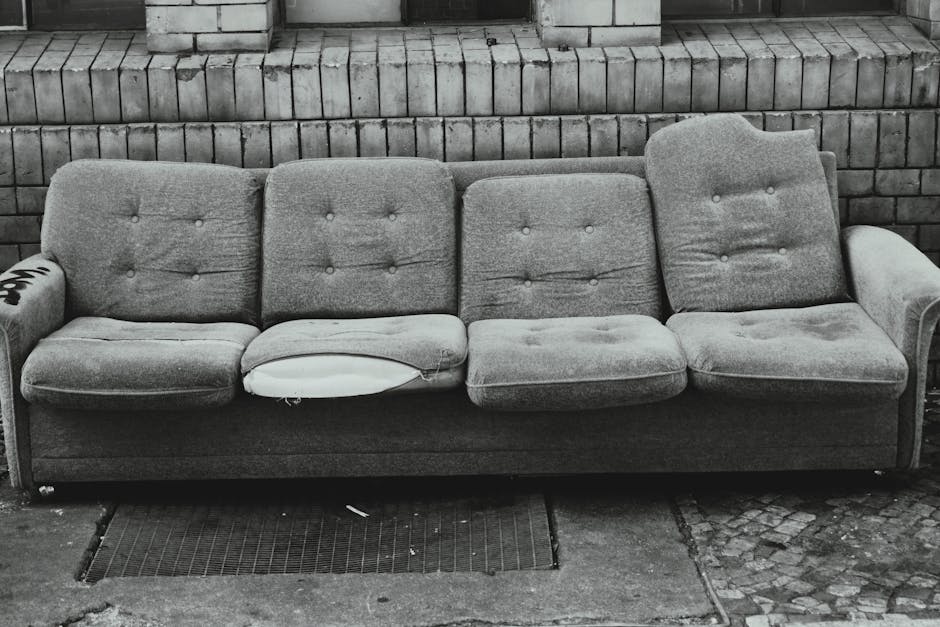
Sofa cleaning on Clapham Road Stockwell SW9
If your sofa is looking a bit tired, holding on to stale smells, or showing the usual mix of coffee marks, pet hair, and everyday grime, you are not alone. Sofa cleaning on Clapham Road Stockwell SW9 is one of those jobs that sounds simple until you actually start dealing with fabric type, stains, drying time, and the worry of making things worse. Truth be told, many sofas need more than a quick vacuum and a hopeful scrub.
This guide walks you through what sofa cleaning really involves, why it matters in a busy London setting, how professional cleaning tends to work, and what to look for before you book. You will also find practical tips, a comparison of cleaning methods, a realistic example, and a checklist you can use straight away. If you want broader fabric care, it may also help to look at upholstery cleaning, especially if your chairs, footstools, or ottomans need attention too.
Let's face it, a sofa takes a beating. It is where people sit with wet coats after a London drizzle, where pets curl up, where children drop biscuits, and where dust quietly settles over time. The good news is that with the right approach, most sofas can be refreshed properly without guesswork.
Table of Contents
- Why Sofa cleaning on Clapham Road Stockwell SW9 Matters
- How Sofa cleaning on Clapham Road Stockwell SW9 Works
- Key Benefits and Practical Advantages
- Who This Is For and When It Makes Sense
- Step-by-Step Guidance
- Expert Tips for Better Results
- Common Mistakes to Avoid
- Tools, Resources and Recommendations
- Law, Compliance, Standards, or Best Practice
- Options, Methods, or Comparison Table
- Case Study or Real-World Example
- Practical Checklist
- Conclusion
- Frequently Asked Questions
Why Sofa cleaning on Clapham Road Stockwell SW9 Matters
A sofa is usually the most used soft furnishing in the home, so it absorbs far more than people realise. Body oils, dust, food particles, pet dander, pollen, and drink spills work their way into the fibres and cushions. On a street like Clapham Road, where homes often sit close to busy roads and everyday foot traffic, that build-up can happen faster than expected. You may not notice it day to day, but the sofa slowly loses freshness, colour depth, and comfort.
There is also a practical side. A dirty or stained sofa can make an entire room feel less cared for, even when everything else is tidy. That is a bit annoying, especially when you have actually cleaned the place. Fabric contamination can also create odour issues, and in some homes the sofa is where allergens tend to accumulate. While cleaning does not remove every possible allergen from a property, a proper deep clean can reduce visible dirt and improve overall freshness.
Another point people often miss: different upholstery materials behave differently. A woven fabric sofa, a velvet-style piece, a microfibre suite, and a leather couch all need different treatments. Using the wrong cleaner is a fast route to colour loss, water marking, or texture damage. That is why a proper inspection matters before any liquid goes near the fabric.
In a local rental, a family home, or a flat that sees frequent visitors, routine sofa care is not a vanity project. It is a sensible bit of upkeep. Clean fabric simply lasts longer, feels better, and is more welcoming when someone sits down with a cup of tea.
Expert summary: sofa cleaning is not just about stains. It is about protecting the fabric, controlling odours, improving appearance, and making the furniture last longer without guessing your way through the process.
How Sofa cleaning on Clapham Road Stockwell SW9 Works
Professional sofa cleaning usually starts with an inspection. The cleaner checks the fabric type, colour stability, stain locations, wear patterns, and any care labels that might affect the method used. That first step matters more than people think. A sofa that looks like it needs a steam clean may actually need a low-moisture approach, or even targeted stain treatment first.
After that comes dry soil removal. This often involves thorough vacuuming with upholstery attachments to lift dust, crumbs, pet hair, and loose particles from the surface and seams. If this is skipped, the wet cleaning stage can turn dirt into slurry. Nobody wants that. A tidy, dry pre-clean makes a real difference.
Then the technician normally applies a suitable pre-treatment. This helps loosen body oils, spot residues, and general grime. Stains are often treated individually rather than blasted with one generic product. That is especially important for food, drink, ink, and pet-related marks. If you are dealing with a stubborn smell or accident, a focused pet stain and odour removal treatment may be the more sensible route than a standard fabric refresh.
The cleaning method itself depends on the fabric. Common approaches include hot water extraction, low-moisture cleaning, or dry-cleaning style methods for delicate upholstery. The technician works carefully across the sofa, then extracts as much moisture and residue as possible. Good extraction is a big deal because it reduces drying time and helps prevent a damp smell.
Finally, the sofa is checked, groomed if appropriate, and left to dry properly. Drying time depends on the fabric, room airflow, humidity, and how heavily the sofa was cleaned. In a well-ventilated room, you may notice it feeling fresher within hours, but a deeper clean can take longer before it is fully ready for heavy use.
What a proper visit usually includes
- Fabric identification and a quick pre-test on a hidden area
- Vacuuming of cushions, creases, and hard-to-reach edges
- Targeted stain and odour treatment where needed
- Careful cleaning matched to the sofa material
- Extraction or residue removal to support quicker drying
- Final inspection and practical aftercare advice
Key Benefits and Practical Advantages
The most obvious benefit is appearance. A professionally cleaned sofa often looks brighter, feels softer, and loses that dull, lived-in look that creeps up over time. But the real value goes beyond the visual. When a sofa is cleaned correctly, the fabric tends to stay in better condition for longer, which helps protect your furniture investment.
Odour reduction is another big plus. This is particularly noticeable in homes with pets, children, or frequent cooking smells drifting through open-plan living spaces. You know that slightly stale, hard-to-place smell some rooms get? Deep cleaning often tackles a fair bit of that. It does not perform miracles on everything, but it usually helps a lot.
There is also the comfort factor. Clean upholstery feels more inviting. A sofa that has been cleaned properly can stop feeling sticky or tired, especially in summer when warm weather seems to make every scent a bit louder. Small detail, big difference.
From a practical point of view, regular sofa cleaning can also make spot cleaning easier later on. A well-maintained fabric surface is less likely to hold onto grime in the same way as a neglected one. That means everyday accidents are simpler to manage.
For households with visitors, young children, or pets, the benefit is partly peace of mind. You are not wondering what is lurking under the cushions. And yes, that thought alone can be enough to book a clean.
Who This Is For and When It Makes Sense
Sofa cleaning on Clapham Road Stockwell SW9 makes sense for a wide range of people. Homeowners often book it after noticing marks that no amount of spot wiping can remove. Tenants may want a clean before moving out or after moving in. Landlords and letting agents may need the furniture presentable between occupiers. It is one of those tasks that feels optional until the room starts looking a little sorry for itself.
If you have pets, you may need sofa cleaning more often than you think. Fur, paw marks, and accident-related odours can settle deep into fabrics and cushion seams. Likewise, if someone in the household eats on the sofa regularly, crumbs and spills add up. No judgement there. Life happens. But the sofa does remember.
You may also want a clean if:
- the sofa has visible staining or water marks
- there is a noticeable smell, even after airing the room
- the fabric looks darker in the armrests or head-rest areas
- dust or pet hair seems to return very quickly
- you are preparing for guests, photos, or a property inspection
- the furniture is part of a broader refresh alongside rug cleaning or curtain cleaning
Sometimes the sensible move is not an emergency clean but a planned one. If the sofa is older, lightly worn, and structurally sound, cleaning can extend its useful life nicely. If the fabric is fragile or already damaged, the cleaner may advise a gentler method. That honesty matters.
Step-by-Step Guidance
If you want to understand what a good sofa clean should involve, here is the straightforward version.
- Check the fabric care label. Look for symbols or written instructions. If the label indicates specialist care only, do not wing it with a household spray.
- Identify the main problems. Is it general dullness, a single stain, pet odour, drink spillage, or a mix of everything? The answer changes the approach.
- Vacuum thoroughly. Use the upholstery attachment and get into seams, under cushions, and along the back edge. That hidden dust has a funny way of hanging on.
- Test any cleaning product first. Always trial on a hidden area. Colour fastness can vary, even on sofas that seem identical.
- Pre-treat stains carefully. Let the treatment dwell for the right amount of time. Rushing this part usually means doing the job twice.
- Clean using the correct method. Delicate fabrics need a lighter touch, while robust woven upholstery may tolerate a deeper process.
- Extract residue and moisture. This step is what helps the sofa feel clean rather than simply wet.
- Allow proper drying. Open windows if possible, keep the room ventilated, and avoid sitting on it too soon. Hard to resist, I know.
- Assess the result. A good clean should leave the fabric fresher, brighter, and evenly treated, not patchy or stiff.
- Plan aftercare. Spot-clean spills promptly, keep up regular vacuuming, and avoid over-wetting the fabric in future.
If you are comparing services, it can help to review related upholstery care such as sofa cleaning, stain removal, and broader carpet cleaning at the same time. That way you can choose one visit that covers the room properly instead of tackling each item separately.
Expert Tips for Better Results
A few simple habits make a huge difference to how your sofa responds to cleaning. The first is speed. The sooner you deal with a spill, the better the chance of avoiding permanent marking. Blotting is safer than rubbing. Rubbing just pushes the mess further into the fibres. It also has the irritating habit of spreading the stain, which is not ideal, obviously.
Another tip is to keep a record of the fabric type and any specialist treatment used. If you ever need a second clean, that note can save a lot of guesswork. It is boring admin, yes, but very useful.
Regular maintenance is the unsung hero here. A weekly vacuum with a soft brush attachment removes more grit than most people expect. If you can, rotate cushions so one side does not get battered while the other stays pristine. Small effort, decent payoff.
Ventilation matters as well. A room with a closed window and heavy curtains will trap humidity longer, which can slow drying. On the other hand, a bit of airflow makes the whole process smoother. On a damp London afternoon, that little change can save hours.
And one more thing: do not assume a stronger product is a better one. Gentle, correctly chosen cleaning often beats aggressive chemistry. More foam does not mean more clean. Not really.
Common Mistakes to Avoid
One of the biggest mistakes is using the wrong cleaning method for the fabric. Water-sensitive materials can mark easily, while delicate finishes may lose texture if they are scrubbed too hard. If a sofa label is unclear, guessing is a bad plan.
Another common issue is over-wetting. People often think the more moisture they use, the deeper the clean. In practice, excess water can lead to long drying times, odours, fibre distortion, or even water rings. That is especially frustrating when the fabric looked fine before you started.
Scrubbing stains too hard is another classic mistake. It can fray fibres, spread dye, and make the affected area more noticeable. A careful, patient approach nearly always works better than panic and elbow grease.
Skipping a pre-test is risky too. Even if a product is marketed as fabric-safe, not every sofa reacts the same way. Hidden patch tests are there for a reason.
People also forget about the frame and cushions. Cleaning one visible area while ignoring the arms, seams, and cushion sides can leave the sofa looking uneven. That kind of half-finished result stands out more than you might expect.
Tools, Resources and Recommendations
You do not need a mountain of equipment to care for a sofa properly, but a few reliable tools help a lot. A vacuum with upholstery attachments is probably the most useful starting point. After that, soft brushes, microfibre cloths, absorbent white towels, and a suitable spot treatment are the basics for light maintenance.
For deeper work, professionals may use extraction equipment, fabric-safe solutions, and specialist stain treatments. If you are not sure which process suits your sofa, it is often better to ask for advice than to improvise. A short conversation with a cleaner can save a costly mistake.
If your home needs more than one item refreshed, you might consider combining sofa care with mattress cleaning or rug cleaning. That is often more efficient than booking separate visits for every textile surface in the house.
Useful things to have ready before a clean:
- clear access to the sofa
- basic details about the fabric
- notes on recent spills or problem areas
- pets kept out of the room during drying
- good airflow if possible
Law, Compliance, Standards, or Best Practice
For household sofa cleaning, there is usually no special legal process for the customer to follow, but professional cleaners should still work to sensible health and safety standards. In the UK, that generally means using products responsibly, protecting surfaces, managing slip risks from damp floors, and handling equipment with care.
Best practice also includes a cautious approach to fabric testing, clear communication about what the clean can and cannot achieve, and honest advice if a stain is permanent or a fabric is unsuitable for wet treatment. That kind of transparency is a good sign. It means you are not being sold a fantasy.
If you are booking a service in a shared property or rental, it is sensible to check any building access rules and let the cleaner know about parking or entry arrangements in advance. Clapham Road can be busy, and small practical details like access time really do matter.
Reputable providers should also be able to explain their approach to safety and customer care. For additional reassurance, it is reasonable to review pages such as insurance and safety, health and safety policy, and terms and conditions before booking. That is not overcautious. It is just sensible.
Options, Methods, or Comparison Table
Not every sofa needs the same treatment. The right method depends on the fabric, the age of the upholstery, the type of soiling, and how much drying time you can allow. Here is a simple comparison to make the choice easier.
| Method | Best for | Benefits | Things to watch |
|---|---|---|---|
| Vacuum and spot clean | Light maintenance and fresh spills | Quick, low cost, easy to repeat | Won't remove embedded grime or deep odours |
| Hot water extraction | Robust fabric sofas with deeper soil | Good for thorough cleaning and residue removal | Needs correct technique and drying time |
| Low-moisture cleaning | Many modern upholstery fabrics | Faster drying, less water use | May be less effective on severe contamination |
| Specialist stain treatment | Specific marks like wine, grease, or pet accidents | Targets the problem area directly | Results vary depending on stain age and fibre type |
| Dry-clean style cleaning | Delicate or water-sensitive upholstery | Gentler on certain materials | Not suitable for every type of soil or odour |
If you are unsure, a cautious method is usually better than an aggressive one. A professional will typically choose the least risky option that still gives a proper result. That balance is the whole game, really.
Case Study or Real-World Example
A fairly typical local scenario goes like this. A family in Stockwell has a three-seater fabric sofa in a living room that gets used morning, noon, and night. There is a faint smell after the weekend, a coffee ring near one arm, and a darker patch where everyone tends to sit. Nothing dramatic. Just normal life, accumulating quietly.
At first, they try a shop-bought spray and a cloth. The coffee ring lightens a little, but the patch becomes uneven and the fabric feels slightly stiff once dry. That is the sort of moment that makes people sigh and say, "well, that was a clever move."
A proper clean starts with an inspection and fabric test. The cleaner identifies the upholstery type, applies a targeted pre-treatment to the arm and seat areas, and uses a low-moisture extraction process suitable for the material. The sofa is left to dry with windows open and the room ventilated. By later that day, the living room smells fresher, the armrest looks more even, and the whole piece appears lighter without looking over-processed.
The useful part of this example is not that every stain disappears. It is that the sofa stops drawing attention to itself. That is often the real goal. You want the room to feel comfortable again, not to look like it has had a dramatic makeover.
Practical Checklist
Use this before, during, or after sofa cleaning on Clapham Road Stockwell SW9:
- Identify the fabric type and check the care label
- Vacuum cushions, seams, and under the cushions first
- Test any product on a hidden patch
- Deal with spills as quickly as possible
- Use blotting rather than rubbing
- Match the cleaning method to the upholstery material
- Avoid over-wetting the fabric
- Keep pets and heavy use away until the sofa is fully dry
- Ask about stain treatment if there are marks or odours
- Plan regular maintenance instead of waiting for a crisis
If you are booking a service, it is also worth checking practical details such as pricing, availability, and secure payment options. The page on pricing and quotes can help set expectations, while payment and security is useful if you want reassurance before confirming anything.
Conclusion
Sofa cleaning on Clapham Road Stockwell SW9 is about much more than making furniture look neat for a day or two. Done properly, it helps protect the fabric, reduces everyday grime, refreshes the room, and extends the life of the sofa itself. The key is choosing the right method, avoiding heavy-handed shortcuts, and working with the material rather than against it.
Whether you are dealing with a stubborn stain, a tired-looking family sofa, or a piece that just does not smell as fresh as it used to, a careful clean can make a real difference. Not flashy. Just genuinely useful. And sometimes that is exactly what a home needs.
If you want to learn more about the people behind the service, have a look at about us and contact us for the next step. For customers who like to keep things straightforward, that is usually the easiest place to start.
Get a free quote today and see how much you can save.
Frequently Asked Questions
How often should a sofa be professionally cleaned?
It depends on use, fabric type, and household factors like pets or children. Many homes benefit from cleaning every 12 to 24 months, but high-use sofas may need attention sooner.
Can all sofa fabrics be cleaned the same way?
No. Cotton blends, synthetics, velvet-style fabrics, and delicate materials can all react differently. A good cleaner should identify the fabric first and choose the safest method.
Will sofa cleaning remove every stain?
Not always. Fresh spills usually respond better than old, set-in marks. Some stains can become permanent if they have oxidised, spread, or reacted with previous cleaning products.
How long does a sofa take to dry after cleaning?
Drying time varies with the method used, room ventilation, humidity, and the fabric itself. Light cleaning may dry fairly quickly, while deeper cleaning can take longer before it is fully ready.
Is steam cleaning safe for sofas?
Sometimes, but not always. Steam or hot water extraction can work very well on suitable upholstery, yet delicate or water-sensitive fabrics may need a different approach.
What should I do before a sofa cleaner arrives?
Clear items from the sofa, vacuum if you can, note any stains or odours, and make sure the cleaner can reach the room easily. A little prep saves time and helps the job go more smoothly.
Can sofa cleaning help with pet smells?
Yes, in many cases. Surface odours and some deeper smells can be reduced with the right treatment, though severe pet contamination may need specialist odour removal.
Is it better to clean a sofa myself or hire a professional?
Light maintenance can be done at home, but deeper stains, delicate fabrics, or odour problems are usually safer in professional hands. It depends how much risk you are willing to take, honestly.
Does cleaning damage sofa fabric?
It can, if the wrong product or method is used. Proper testing, controlled moisture, and fabric-aware technique help reduce that risk significantly.
Can sofa cleaning be combined with other services?
Yes. Many people choose to clean related items at the same time, such as carpets, rugs, curtains, or mattresses, so the whole room feels fresher rather than just one item.
What if my sofa has already been cleaned badly before?
That happens more often than people admit. A professional may still be able to improve the appearance and feel of the fabric, though prior damage can limit the result.
How do I know if a cleaning company is trustworthy?
Look for clear explanations of the process, sensible safety information, transparent pricing, and straightforward terms. Pages like insurance and safety and complaints procedure are useful signs that the business takes service quality seriously.
At the end of the day, a sofa should feel like the most comfortable seat in the house again. A good clean gets you back there, and that is worth a lot.